Thursday, October 29, 2009

Against the storm

Against the storm

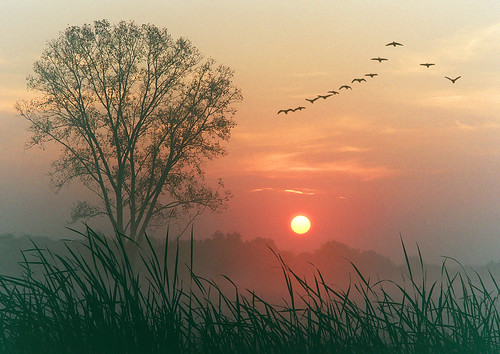
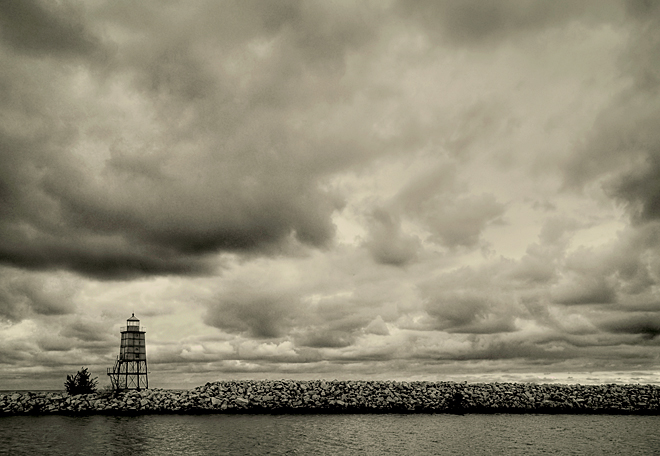
Racine, Wisconsin.

Kitchen sink processing -- five-image HDR from a color RAW file, conversion to black and white (figured out what a blue filter can do) with sepia filter applied. Photograph © 2009 James Jordan.
Wednesday, October 28, 2009

Getting my black and white on

Gingko

I finished my first season as a gallery artiste recently. I've had several photographs hanging in an art gallery in Door County, Wisconsin since May of this year. A few brave souls even found it within themselves to part with some money to be able to take my work home with them.

The gallery is now closed for the season and it's time to start making plans for next year. I'm refining my black and white digital processing techniques to put a higher level of visual impact in my fine art photos.

Things I've learned so far (and didn't necessarily know going in to my first season as a b&w fine art photog):

Always convert color files to b&w. Yeah, I know digital cameras come with a b&w mode. Don't use it. Why?

Because back in the days of film (you remember those days, don't you?), serious b&w photographers would use color filters to translate what they saw in the chromatic world into an image comprised of shades of gray. They used red filters to darken the sky, yellow or orange filters to play up foliage and green filters to enhance skin tones. Blue filters? I don't know. Maybe if you were shooting someone wearing an Oakland A's uniform. Indoors.

Today, image editing programs like Photoshop allow you to run hundreds (nay, thousands) of possible color filter combinations over your color file before locking it in to b&w. You don't necessarily need to know the difference between what a yellow filter does as opposed to a red or green filter when converting a black and white image -- a couple of adjustment sliders will display an infinite number of variations -- just pick the one that looks good to you and you're good to go.

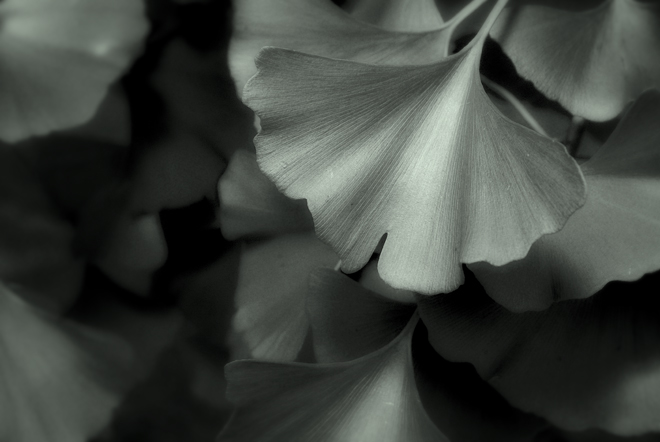
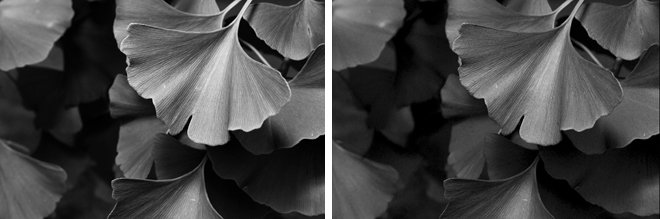
This image of gingko leaves was shot as a color RAW file. In Photoshop, the image was converted to black and white by way of two Hue & Saturation adjustment layers. One changed the color image to b&w, the other acted as the filter that enhanced tones. Below, you can see the difference that filtering makes.

On the left is a straight grayscale conversion of the color image file. On the right is the "filtered" version. The tones across the leaves are smoother and richer and there is more detail in the shadow areas.

B&W comparison

I finished the photo at the top of this post by adding a slight Orton effect and then applying a green color filter at 25 percent strength to add a silver gelatin print effect to the image.

Can't wait to have another go at the gallery stuff.

Photographs © 2009 James Jordan.

Tuesday, October 27, 2009

Taking flight

Restless

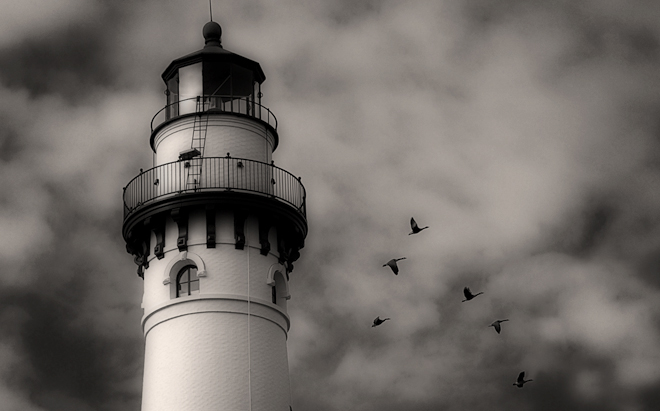
As the days grow shorter and chillier, migratory species begin to exhibit Zugunruhe, an anxious restlessness that compels them to take flight. The phenomenon will return next year as the days grow longer and warmer.

Photo taken as the restless geese passed the lighthouse at Wind Point, north of Racine, Wisconsin, a symbol of all that is unchangeable and unmoveable.

Photograph © 2009 James Jordan.

Monday, October 26, 2009

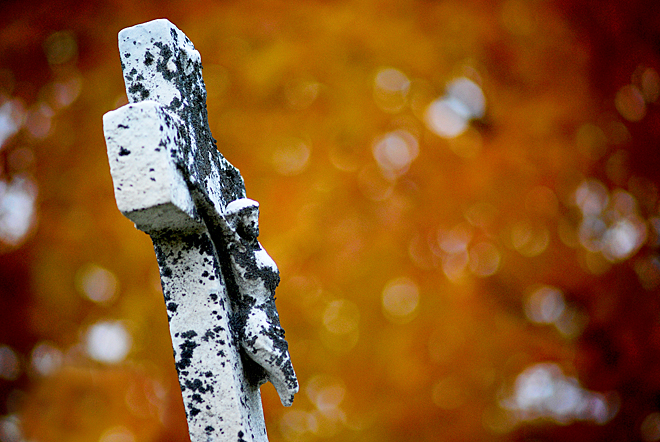
Faded remembrance

Faded remembrance

What can I say? I like to wander through cemeteries. In a way, they're not much different than the living community save the silence of their inhabitants. There is evidence of class and status. Some were loved and respected. Some lived spare and simple lives. Some were nearly forgotten altogether.

There are stories. Stories of those who died too soon. Those who lived a long and full life. Those who served their country. Those who lived lives of ease. Those whose lives ran aground on the hard rocks of fate.

Some have friends and family that continue to carefully tend to their memories. Others whose monuments have outlasted those they left behind, the vestiges of their existence on earth slowly becoming one with the same.

Cemetery marker, Burlington, Wisconsin. Photograph © 2009 James Jordan.

Friday, October 23, 2009

Harbor lights

Harbor lights

A pair of lights mark safe passage into the harbor at Racine, Wisconsin while storm clouds pass over Lake Michigan.

Five-image HDR from a single RAW file.

Photograph © 2009 James Jordan.

Thursday, October 22, 2009

The domes

Mitchell Park domes, small

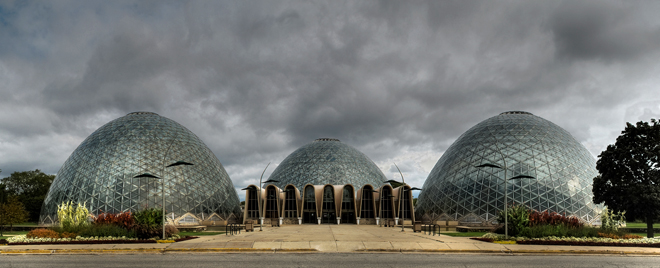
The Mitchell Park Horticultural Conservatory opened in the mid-1960s. The conservatory consists of three beehive-shaped domes (the world's first conoidal domes) covering 45,000 square feet of displays and thousands of plant species.

The Show Dome features rotating seasonal exhibits, the Arid Dome houses desert plant species of the Americas and Africa while the Tropical Dome is home to plants from warm, moist environments. The Tropical Dome also houses a number of tropical bird species.

This image is a three image panorama stitched with Hugin and converted to HDR via levels adjustments in Photoshop and compiled in Photomatix. You can see the panorama bigger here.

Photograph © 2009 James Jordan.

Wednesday, October 21, 2009

Birch tree-o

Birch tree-o

A three-pronged birch tree in my neighborhood in Elgin, Illinois. Played with really narrowing the depth of field. This shot is a panorama of 38 separate images shot with a 135mm f/2.8 lens and stitched together with a software program called Hugin (free download). By the way, Hugin is nice in that it takes into account the focal length of your lens and camera sensor's crop factor before starting the stitching process to ensure that distortion in the final image is kept to a minimum.

The cemetery shot from yesterday was also made using this technique and was composited from 26 separate images. Useful if you realllllly want to separate a subject from its background.

Photograph © 2009 James Jordan.

Tuesday, October 20, 2009

Passages

Autumn cemetery

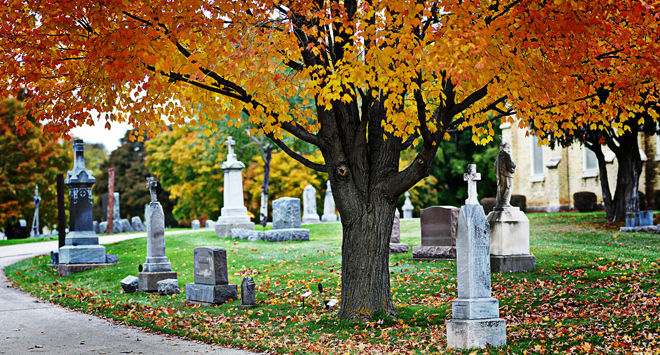
Cemetery in Burlington, Wisconsin.

Photograph © 2009 James Jordan.

Monday, October 19, 2009

Up in smoke

Up in smoke

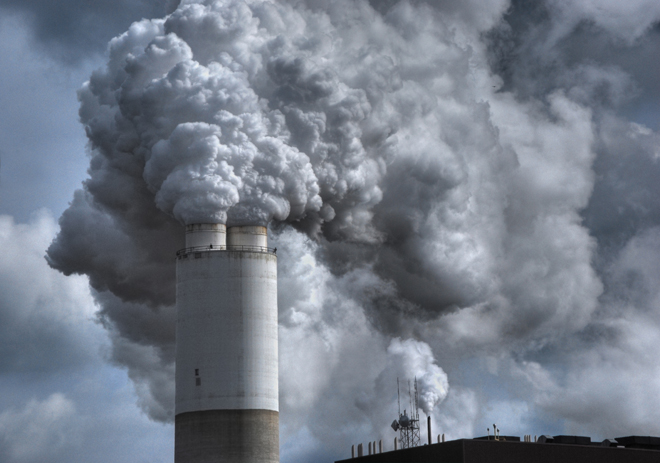
Motorists making the drive from Chicago northward into Wisconsin on I-94 will see a plume of smoke rising a few miles past the state border. The plume belongs to a coal burning electric power plant in Pleasant Prairie, just south of Kenosha.

The plant just completed a test of technology that can reduce carbon emissions by more than 90 percent. It's unclear whether the plant will permanently adopt the technology due to the cost of maintainance and the need for a place to store the tons of carbon particulates that are trapped by the filters. Can anyone say NIMBY?

Meanwhile, the plant continues to belch away 24/7/365.

Five-image HDR from a single RAW file. Photograph © 2009 James Jordan.

Friday, October 16, 2009

Oops

Oops

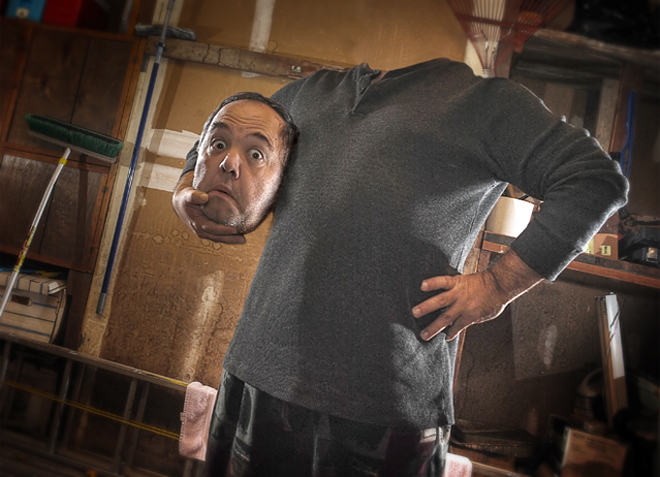
Happy weekend. Play it safe. Don't lose your head.

Photograph © 2009 James Jordan.

Thursday, October 15, 2009

From soft to scary

One-light portrait

Wal-Mart has the right idea, kinda. I passed the photo studio in a local Wally World and stopped a second to check out their setup. One huge softbox with a jillion watts of light hanging seven feet in the air directly over the camera. That was it. A nice one-size-fits-all lighting solution. Except we all know that one-size-fits-all doesn't. If you have nice tight clear skin, Wal-lighting will make you look like a million bucks. For the rest of us in the 90 percent who aren't blessed that way, such light only enhances our shortcomings. But I digress.

The child portrait above employs the one soft light approach, except I chose to move the light low -- the bottom of the umbrella was set to about the child's height and placed slightly to the left. A reflector was laid on the floor just in front of the model to throw a little bit of light under his chin.

Having been a natural light kind of a guy for so many years, playing with multiple strobes, umbrellas, reflectors, gels, snoots and grids is a whole new ballgame. Sometimes it can be downright scary ...

Boo

Now, off to get my morning coffee. I can be such a monster without it.

Bottom photo: Three strobes - two LumoPro 120's set as optical slaves on stands behind me left and right, 1/16th power. One strobe on camera with a diffuser. ISO 200, f/5.6, 1/80th. Five image HDR from a single RAW file. Photographs © 2009 James Jordan.

Wednesday, October 14, 2009

Looking to the future

Looking into the future

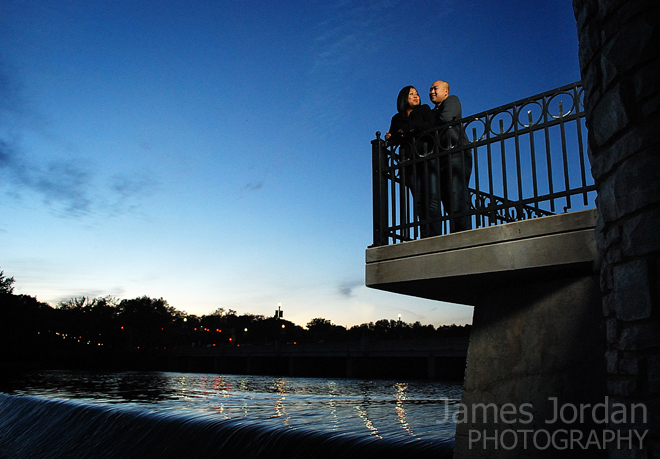
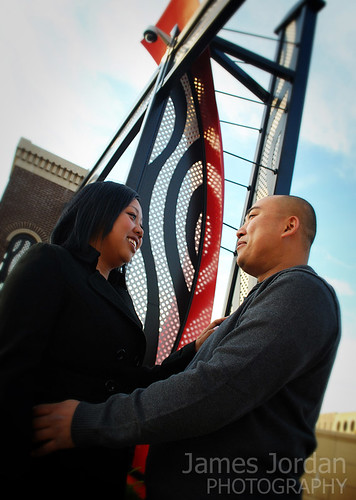
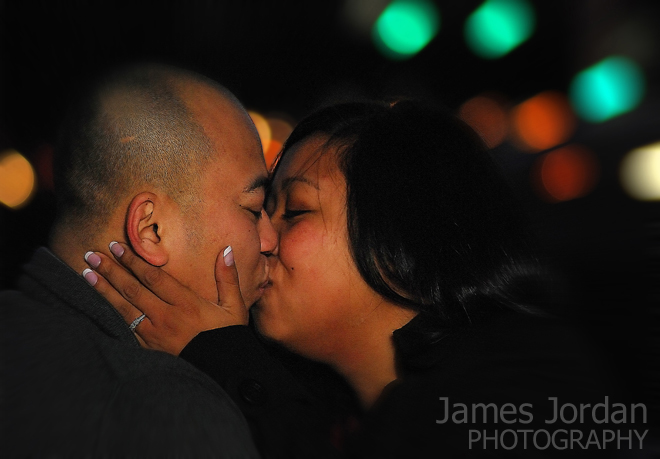
As promised, much better looking subjects in my subsequent strobe-at-night photos. This is from Thip and Suli's engagement photo session. Great couple, fun and energetic in spite of the cold temps. My wife assisted, acting as the equipment bearer and steady-er of the light stand, because the wind can play havoc with an umbrella. Who knew?

At the gates

We started by wandering around Festival Park in downtown Elgin, Illinois then moved to the Riverwalk on the Fox River, stopping at interesting locales to shoot a few photos of the couple.

Da bling

The top shot was taken at the Elgin Riverwalk's overlook of the Fox River dam. Light stand and wife was just out of the picture to the right. I was on the level below the overlook with camera tethered to the light via a 16-foot cable draped over the retaining wall from above. Someday I gotta get me a wireless flash trigger.

Buss and bokeh

The final shots were taken from the overlook. I joined everyone back at the top to get catch some city light action behind Thip and Suli. Then it was time to head home and thaw out.

Photographs © 2009 James Jordan.

Tuesday, October 13, 2009

Self portrait with garage and driveway, 6:30 a.m.

Self portrait with garage and driveway

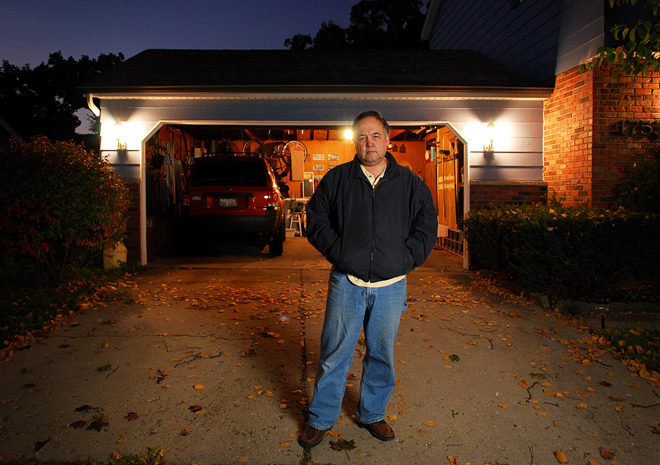
So why am I taking pictures of myself in my driveway at 6:30 in the morning? Because I can, that's why. Actually, I have an engagement photo session this evening and want to try out some off-camera strobe-assisted shots of the happy couple in an urban setting around sunset. So I'm using myself as a guinea pig to test some lighting setups.

I'll be working simply -- one strobe with an umbrella on a stand, balancing flash with ambient light. Shooting pictures of myself over the last couple of days in different scenarios has helped me to be able to quickly determine my camera settings when faced with a tricky lighting setup. This shot, which includes interior and exterior house lights, a strobe and the pre-dawn sky, took just three shots and adjustments to balance. It has also helped me to come up with a routine to quickly set up, tear down and move the strobe/umbrella combo from location to location. I may even try something in the middle of the street at a crosswalk.

And I'll have better looking subjects to work with.

Photograph © 2009 James Jordan.

Monday, October 12, 2009

In storage

Storage

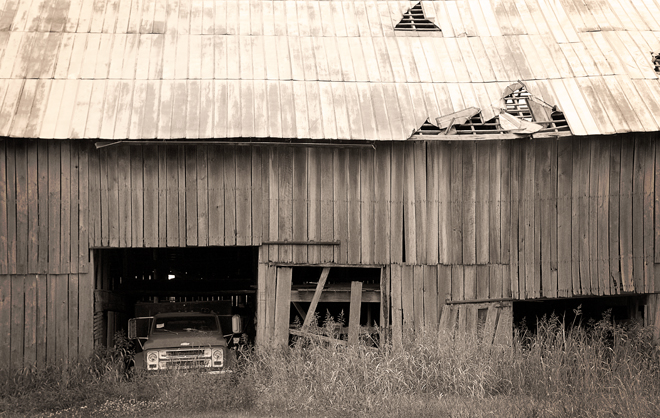
An old truck (just barely) protected from the elements. Seen near Viola, Tennessee. Black and white conversion of a color photograph. Created a Hue/Saturation adjustment layer in Photoshop to adjust gray tones.

Photograph © 2009 James Jordan.

Friday, October 09, 2009

Don't know what I was looking at, but I kinda liked how it looked

I didn't know what it was, but I liked how it looked

Was at the Mitchell Park Conservatory in Milwaukee last weekend. Saw this plant with a long skinny pineapple trunk and propeller leaves in front of a humongous palm leaf thingy.

Shot it with a 200mm lens and an off-camera flash on a bracket to throw a tad more light into the fuzzy propeller tree and separate it more from the palmy whatsit behind it.

Bet you can't tell that I never studied horticulture, can you?

Photograph © 2009 James Jordan.

Thursday, October 08, 2009

Orchids

Orchids

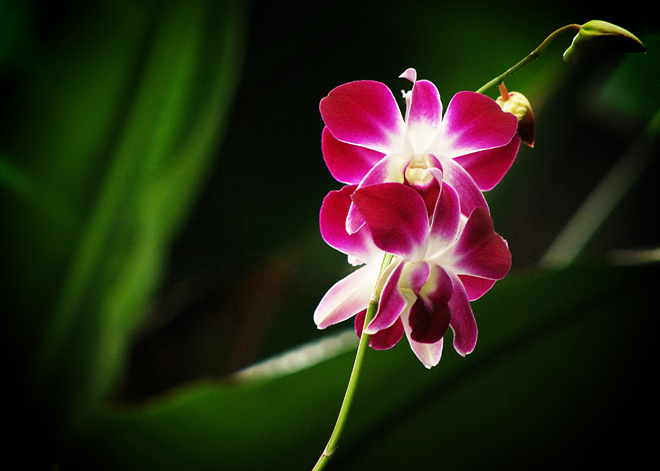
Mitchell Park Conservatory, Milwaukee, Wisconsin. Available light plus flash at 1/4 power with diffuser on an off-camera bracket to add some fill and separate the flowers from the background.

I've been blogged. Darren Rowse at Digital Photography School has selected a couple of my photos as part of 21 featured "Impressive Tree Images." Head over and check out all the fantastic flora shots.
Photograph © 2009 James Jordan.

Wednesday, October 07, 2009

Flashy fingers

Flashy fingers

Experimenting with a two-flash setup combined with ambient room light as the third light source.

Not easy to do when you are both the model and the photographer. Used a light stand to mark the focus point. Set the camera's self timer and situated myself so my left hand was in focus. Played a little riff while the timer counted down. Chimped the shot on the camera's LCD, reset lights and camera settings as needed and started all over again.

Flashy, huh?

Photograph © 2009 James Jordan.

Tuesday, October 06, 2009

The things that remain

The things that remain

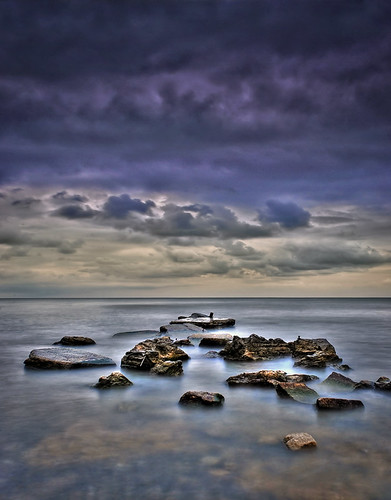
This is the remnant of a pier located at the Wind Point lighthouse north of Racine, Wisconsin. I had gone there hoping to catch the moonrise, but the area was socked in with clouds. So I shot what was there.

Yeah, the processing is severe on this shot, but it was done on purpose to ramp up the surreal feeling I wanted to get across.

We all have things that were once a vital part of our lives that have fallen by the wayside. Although the waves of time continue to wear away at them, they continue to sit below the surface, still influencing, still guiding. And sometimes still tormenting.

I think this shot would make a great cover for a great book on this topic.

Five-image HDR from a single RAW file, exposed to retain highlights. Straight and graduated neutral density filters used to even out tones of water and sky and allow for a long exposure to smooth out the water. Photograph © 2009 James Jordan.

Monday, October 05, 2009

Keeping watch

Keeping watch

I admire those who don't flinch when things get tough.

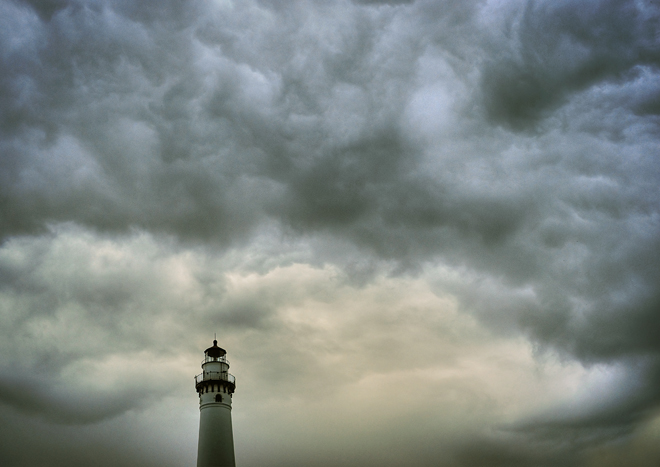
The lighthouse tower at Wind Point, north of Racine, Wisconsin. I had gone there hoping to catch the harvest moon rising over Lake Michigan. This works, too.

Five-image HDR from a single RAW file. Photograph © 2009 James Jordan.

Friday, October 02, 2009

Primary colors

Primary colors

A sign in the clouds. Rochelle, Illinois.

Photograph © 2009 James Jordan.

Thursday, October 01, 2009

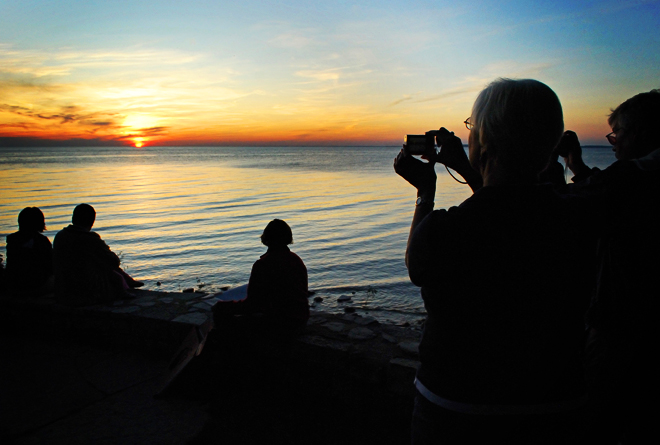
Watching the watchers

Catching the sunset

Sunsets are a spectator sport in Door County, Wisconsin. The descending solar orb draws a crowd at marinas and other easily accessible vantage points along the peninsula's western shore on Green Bay.

My first inclination this particular evening was to take in the sunset from a more remote location. I knew the perfect place -- a rocky beach at Nelson Point, within Peninsula State Park north of Fish Creek. I arrived only to find that rising lake levels had submerged the beach.

With that option gone, I headed into town and decided to visit a small village park that was built especially for sunset viewing. Dozens of others had gotten that idea ahead of me. Instead of shooting the sunset, I decided to photograph the sunset watchers. It wasn't hard. Everyone had a camera, so I blended right in. I could get right up to people and click away, since they likely assumed I was after the sun and not them.

After the sun dipped below the horizon, the crowd broke out in applause and began to filter out of the park.

Photograph © 2009 James Jordan.

Wednesday, September 30, 2009

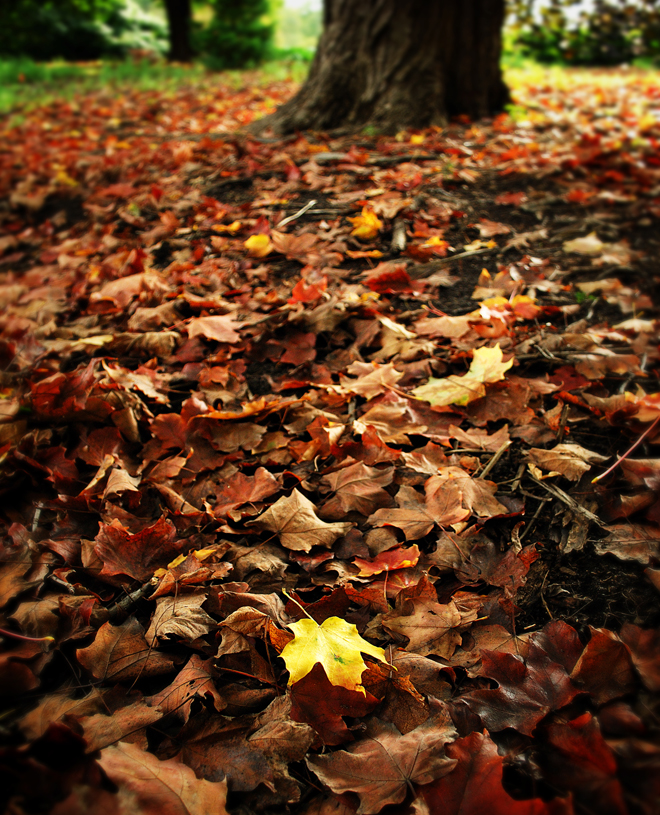
Gold among the brown

Gold among the brown

That time of year when nature reminds us that we all eventually must return to the earth.

Photograph © 2009 James Jordan.

Tuesday, September 29, 2009

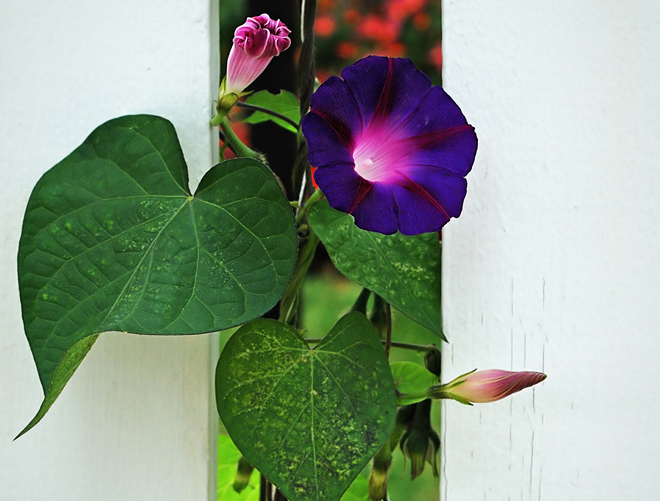
Out of bounds

Out of bounds 1

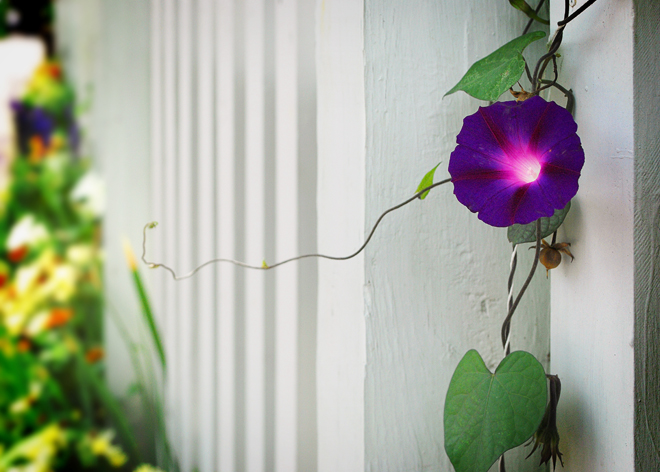
A morning glory not paying much attention to the boundary established by a picket fence.

Love the luminous quality of the three blossoms -- one spent, one open, one yet to come.

Photograph © 2009 James Jordan.

Monday, September 28, 2009

Late bloomer

Late bloomer

Seen in the chilly early autumn air. You go.

Photograph © 2009 James Jordan.

Friday, September 25, 2009

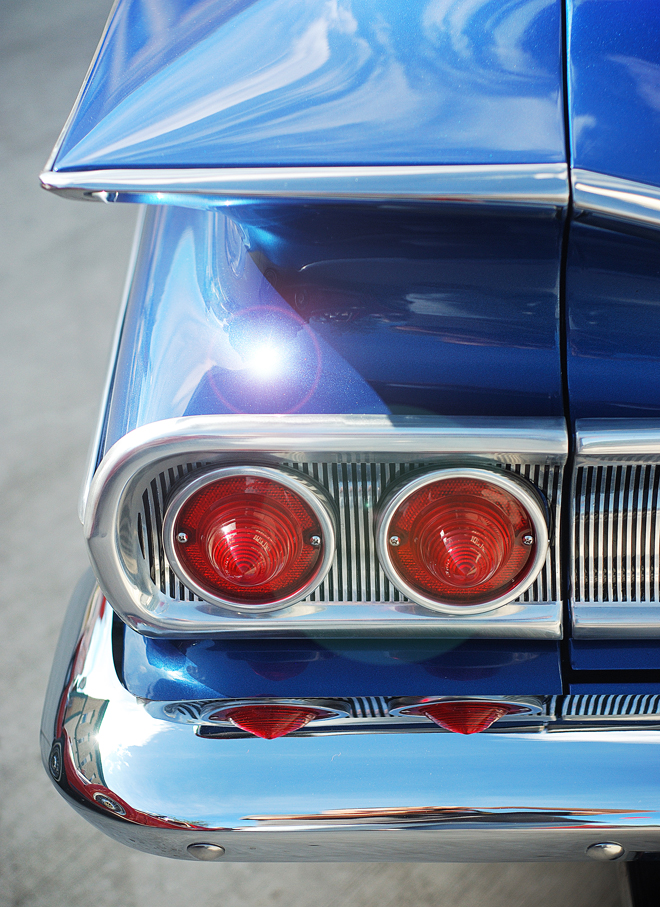
Let's get classic

Let's get classic

Kind of makes you want to go on a road trip, doesn't it?

Have a great weekend.

Classic car show, Sturgeon bay, Wisconsin. Photograph © 2009 James Jordan.

Thursday, September 24, 2009

Golden field

Field

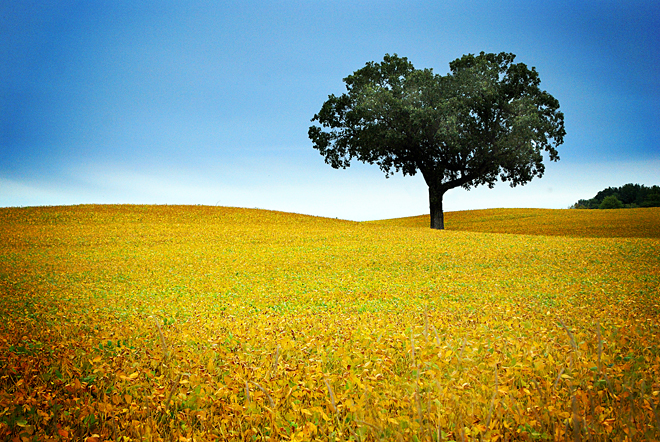
On Wisconsin route 83 north of the town of Mukwonago lies a field of soybeans turned golden with the chill weather of early autumn. A lonely tree stands nestled between rises in the landscape.

Also in this location is a puzzled farmer who probably still wonders why the guy with the camera stopped to take pictures of his soybeans. He stood in his driveway watching me the entire time.

If he could only see the view from his place.

Photograph © 2009 James Jordan.

Wednesday, September 23, 2009

The covered bridges of Ozaukee County

Covered bridge

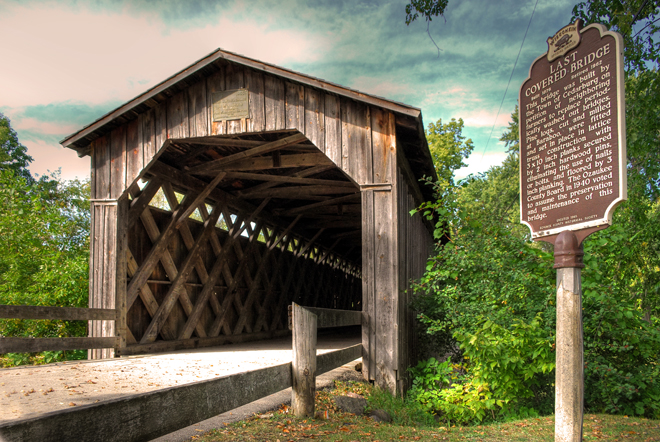
Okay, make that bridge, singular. Ozaukee County, Wisconsin is home to exactly one covered bridge -- the last one still standing in Wisconsin. So, in one fell swoop, I managed to photograph every covered bridge in the state. Whew.

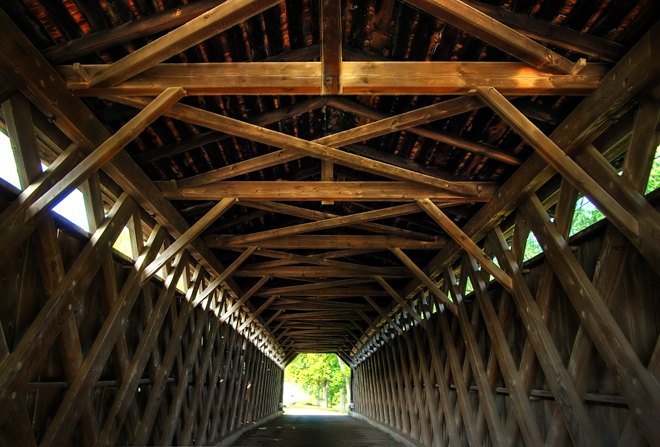
The bridge is a neat piece of engineering, it is held together with wooden pins -- no nails.

Framework

So why did they cover bridges? Local folklore holds that teams of oxen got skittish when crossing a bridge with a view of the flowing waters in the creek below. This bridge is situated on Cedar Creek near the town of Cedarburg, itself a place filled with the history of the German immigrants who settled there in the early 1800s.

UPDATE: A little Googling has revealed that there are in fact more than 40 covered bridges in the state. What the heck? Even though the majority of the bridges are less than 30 years old, this discovery makes me suspicious of the Wisconsin towns that claim the invention of the ice cream sundae, Flag Day and the Republican party.

Photographs © 2009 James Jordan.

Tuesday, September 22, 2009

Creation, Day 3

Sunrise, Cave Point

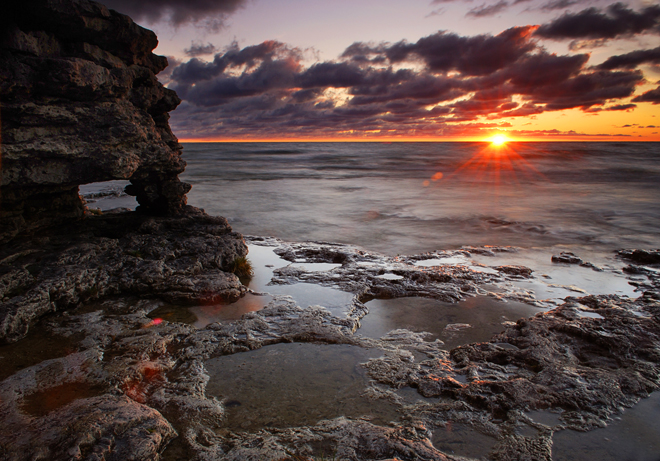
What the dawn of time may have looked like. Taken at one of my favorite places on earth -- Cave Point, Door County Wisconsin.

Taken with a circular polarizer, 2-stop neutral density filter and graduated ND filter. Photograph © 2009 James Jordan.

Sunday, September 20, 2009

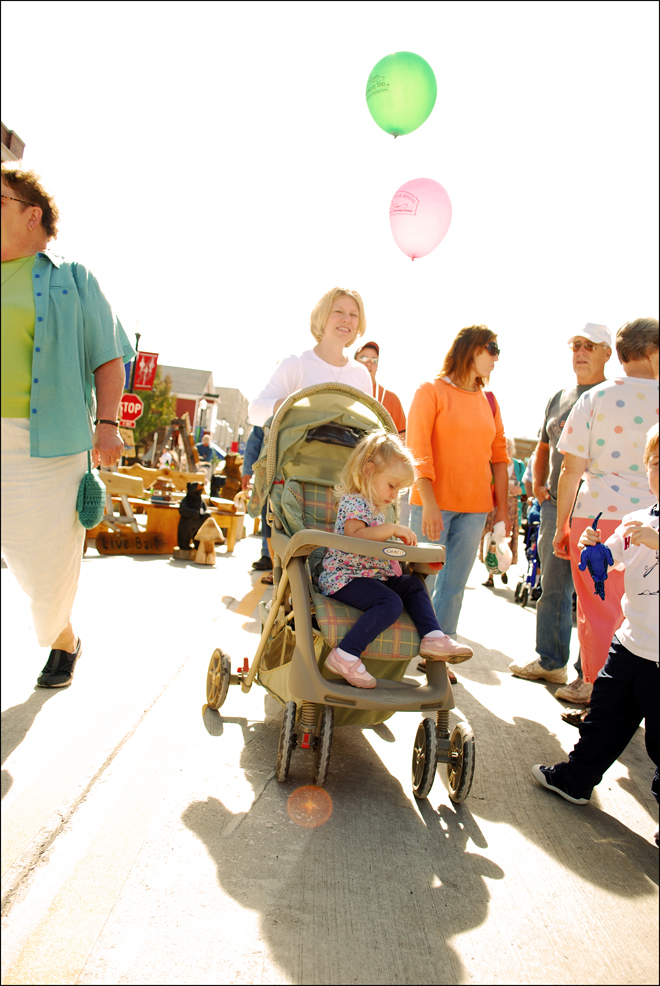
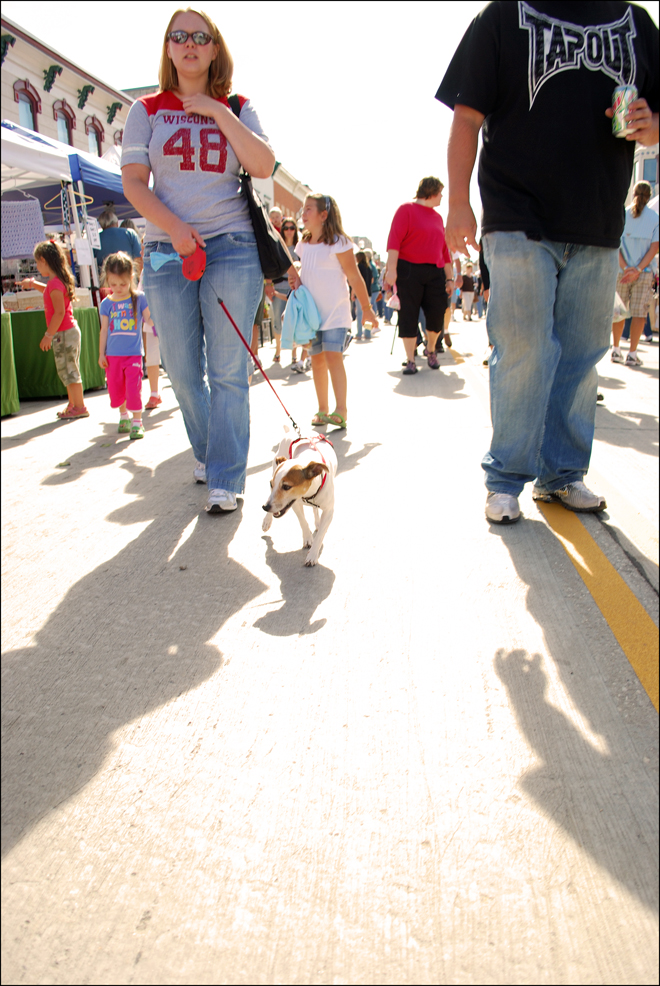
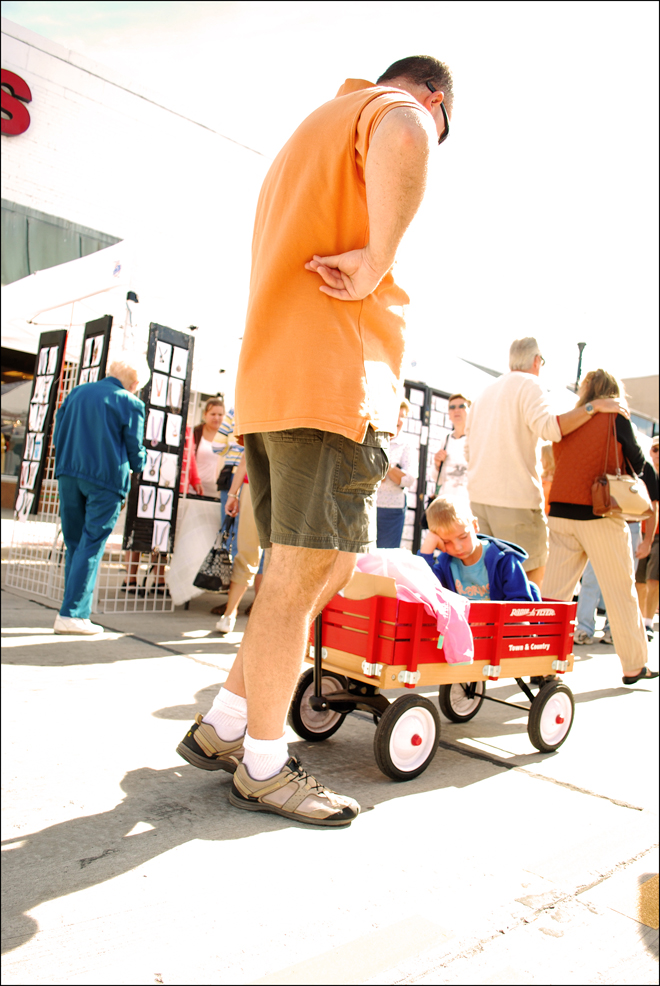
Embracing the backlight, or how I lost my fear of blown out backgrounds

Study in backlight 1

I admit I've suffered from OCD when it comes to avoiding the bane of digital photography -- blowouts. Areas of pure white in an otherwise nicely exposed photo slap me in the face and force me to look -- and once I do, I can see nothing else in the photo. Nowhere is the blown out highlight more evident than the backlit photograph. I would either A) try to avoid situations where the light was behind my subject or B) become faniatical about checking the highlight mode of my LCD display. I'd dial down the exposure until every last black blinkie disappeared, then hoped that I could recover the remains of the shadows later in post processing.

I'm a whole lot better now. It all started while photographing guests arriving at a wedding a couple of weeks ago. I stood on a covered walkway, bouncing a flash off the white "ceiling" to throw some light on my subjects. One couple stopped in a pool of sunlight and I fired. The result was one of those "I think I'm on to something" moments. The couple were lit perfectly by the flash in front of them. Behind them, the background glowed. Their shadows were thrown forward. The effect was cool. From that point on, I waited for arriving guests to reach the pool of sunlight before I clicked the shutter.

Study in backlight 4

Fast forward a couple of weeks. I'm shooting some street photos at a fall festival. I'm walking up the street into the morning sun and people are coming at me. I remember the "ain't it cool" photos I shot a couple of weeks earlier. I set my exposure value to +2 to compensate for metering into the sun, set a manual focus to about 5 feet in front of me, selected an aperture of f/8 for moderate depth of field and fired away whenever I saw someone who looked interesting in front of me.

Study in backlight 2

Study in backlight 3

The effect is graphic -- everything in shadow looks normal. Everything else is transformed to almost pure white. Shadows reach out from the subjects toward the camera. Complex scenes are simplified.

Study in backlight 5

Photographs © 2009 James Jordan.

Thursday, September 17, 2009

Life goes on

Autumn dawn

Some time ago, I granted permission to display the above photograph to a web site dedicated to helping survivors of suicide deal with their grief. I hadn’t thought about it much until I received the following e-mail today:

Just had to tell you I ran across your photos on the Suicide Survivor website. They are ABSOLUTELY breathtaking! Your work is BEAUTIFUL-brought tears to my eyes! Much gratitude –Lisa

This particular photo was taken just a few days before my father suddenly took ill and passed away in October of 2007, so it holds a high degree of meaning for me. I’m happy that it and others are helping someone else like Lisa deal with her own grief.

UPDATE: I wrote to Lisa to thank her for her kind words about my photography. She wrote back:

My brother killed himself on the 4th and your pictures are very peaceful, calming and soothing. I saved your site so I could keep looking at them-I can’t tell you what comfort they bring-Incredible.

Thank you again for your beautiful work-it does make a difference to someone.

Wednesday, September 16, 2009

Uno mas

On the pinnacle

Photograph © 2009 James Jordan.

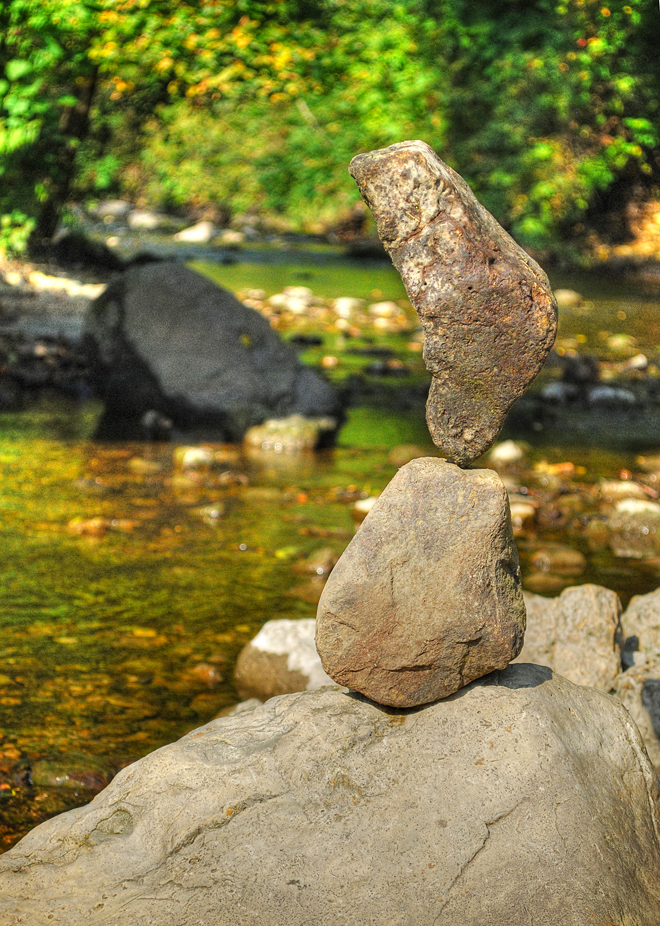
Balanced

Balanced

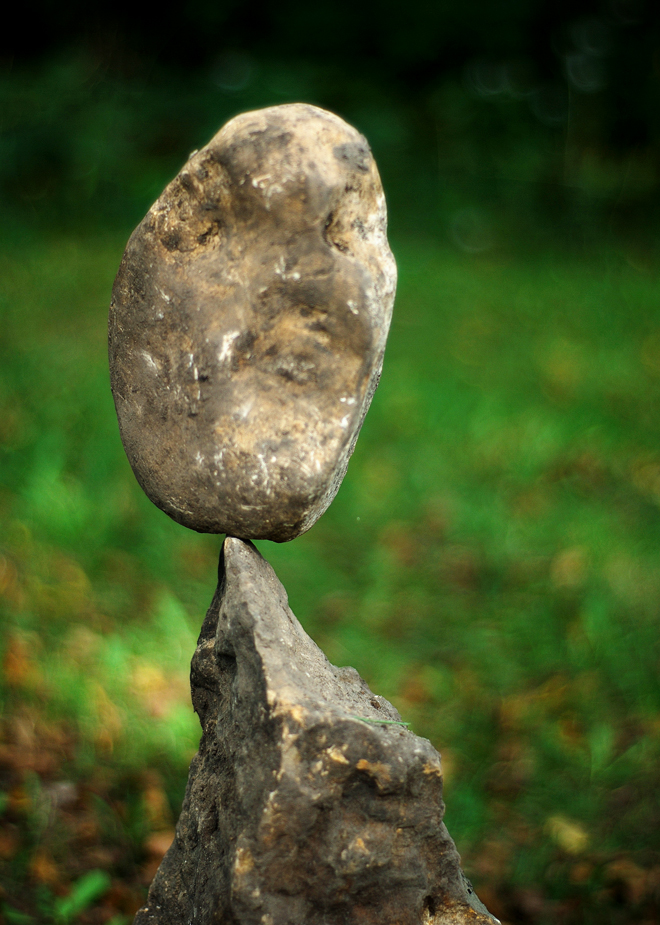
Taking advantage of some beautiful September weather to do some rock balancing. Tyler Creek Forest Preserve, Elgin, Illinois.

Photograph © 2009 James Jordan.

Tuesday, September 15, 2009

Fall balance

fall balance

I know, it's an oxymoronic headline. It really should be "Autumn balance," but hey.

Rock balance in Tyler Creek in Elgin, Illinois. Hints of autumn are evident.

Photograph © 2009 James Jordan.

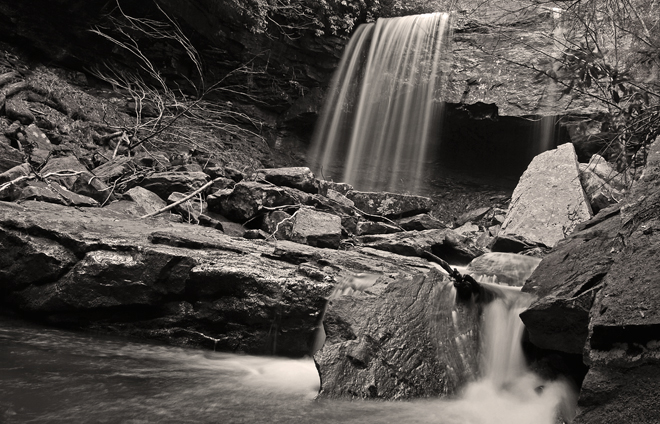
Seeing in black and white

Suter Falls black and white

I'm writing an article on digital black and white photography for a web site devoted to providing tips to beginning- to intermediate photographers.

This photo is the result of an exercise in using adjustment layers with Hue and Saturation to make the conversion. Worst thing you can do is shoot in Black and White mode or simply change the color image to grayscale in a photo editing program. Original photo in color is here.

I'll link to the article when it gets posted.

Photograph © 2009 James Jordan.

Monday, September 14, 2009

Under cloudy skies

Chicago under the cloud deck

The city of Chicago, as viewed from the waterfront of Evanston, Illinois to the north.

Photograph © 2009 James Jordan.
Sunday, September 13, 2009

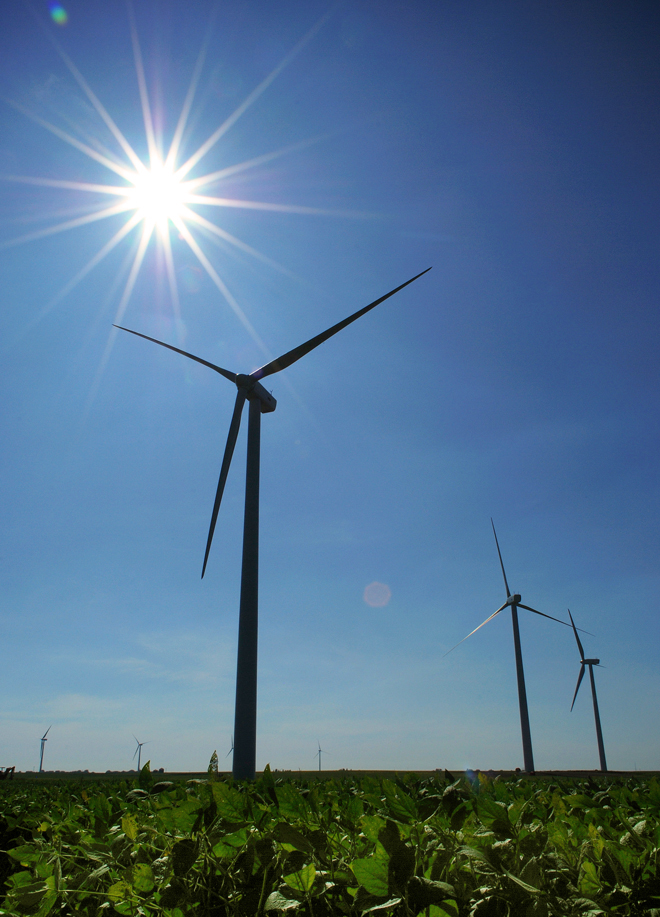
Green (energy) acres

Green energy acres

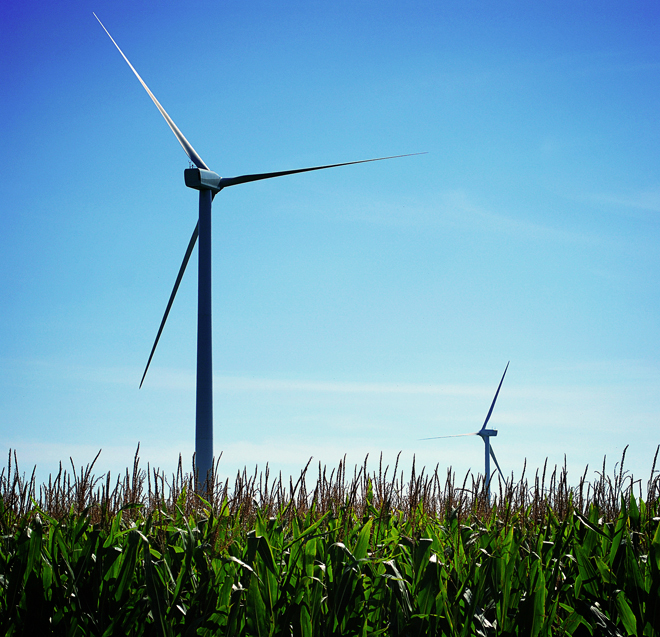
With a kid in college in Urbana, Illinois, my wife and I occasionally make the trek from our suburban Chicago home to visit. Taking the backroads route down Illinois highway 47 this spring, we noticed dozens of wind turbines standing in the fields south of the town of Dwight. We recently swung by again so I could grab a few photos of the windmills.

The answer to some of the energy needs of northern Illinois, along with how to increase county revenues appear to be blowing in the wind. Iberdrola, an energy company headquartered in Spain, paved the way for the launch of several wind farms in a four-county area southwest of Chicago.

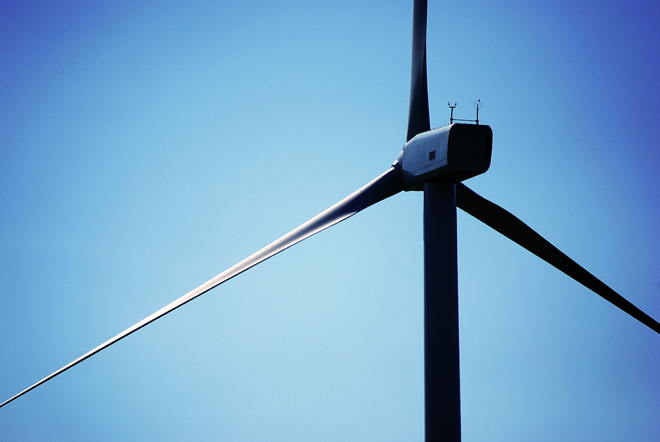
Turbine

Between the towns of Emington and Odell, 65 turbines of Iberdrola’s Cayuga Ridge Wind Farm have sprouted since last fall, located in farm fields along with corn and soybeans. Motorists on Illinois Route 47 can view many of the towers.

Farming the wind

The company plans to finish the installation of a total of 150 towers over 15,000 acres of land sometime in 2010. Several other energy companies, taking advantage of incentives provided by Washington, D.C., are in the process of planning additional wind farms in the development zone, a cooperative effort of the four counties involved.

Photographs © 2009 James Jordan.

Friday, September 11, 2009

Red ... rules

Red zone

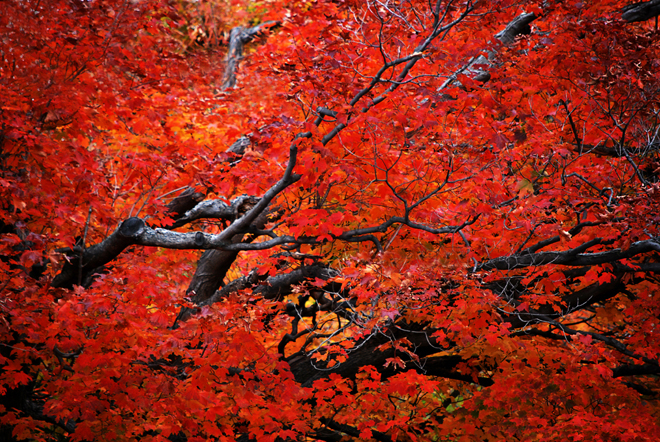
I was looking through my archive of images from Door County, Wisconsin last night to pull some submissions for a publication when I came across this photo of a maple tree north of Sister Bay, taken last October.

There was some major red rule action going on here. I took several shots of the tree at various focal lengths, but this particular crop seemed to do it for me the most. The result is a natural abstract image, a tapestry of red and black.

Photograph © 2009 James Jordan.